Tishrei's three festivals are all connected with covering and wrapping. This is fascinating.
Tehillim (Psalms) calls Rosh Hashanah keseh, associated with concealment, because it is the only biblical festival falling at the beginning of a month, when the moon is hidden. “Blow the shofar at the new moon, at the keseh, for our festival day” (Psalms 81:4). “Which festival falls when the moon is covered? Say: Rosh Hashanah” (Babylonian Talmud, Rosh Hashanah 8a).
Yom Kippur, in its literal meaning here, is the day of covering. In biblical Hebrew, lekhapper, “to atone,” means to cover. Thus the pitch coating Noach's (Noah's) ark is called kofer, and the cover closing the Ark of the Covenant is called kapporet. On Yom Kippur, we figuratively cover our sins beneath layers of good deeds.
Sukkot is directly named after the covering of the sekhakh, the sheltering roof that gives the sukkah its name. We gather beneath it and are covered by it during the festival.
What exactly do we cover on each festival?
Rosh Hashanah falls near the autumn equinox, when the night begins to grow longer than the day. With the moon dark too, we are reminded of the concealment and hiddenness involved in humanity's creation, traditionally dated to Rosh Hashanah. Creation entails a covering and concealment as the human soul is separated from its Creator. On Rosh Hashanah, we therefore crown the Creator of all anew with a shofar blast, reminding the creature who imagines himself independent of who conceived him and his world. "Today the world is conceived."
On Yom Kippur, the focus of covering moves from God to humanity, like God's primordial question to the first human: “Where are you?!” We take stock with ourselves, asking where we are. On this day we atone, that is, cover our sins. We do not erase them, but recall the whole picture: the good deeds we have done, which outnumber the sins, and thereby tip the balance. We pile layers of goodness over our sins and cover them, in the spirit of “Love covers all offenses” (Proverbs 10).
And on Sukkot, what and whom do we cover?
If Rosh Hashanah focused on God and Yom Kippur on humanity, on Sukkot they meet.
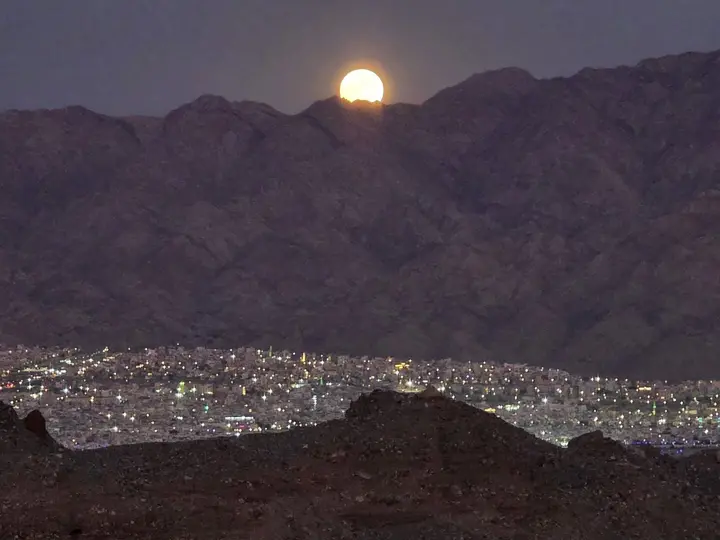
On Sukkot, the moon is no longer hidden. It shines in its fullness. Divine light now brings us goodness on pleasant autumn nights. It passes through the filter of the sekhakh, adapting the light for every living soul to what it can absorb.
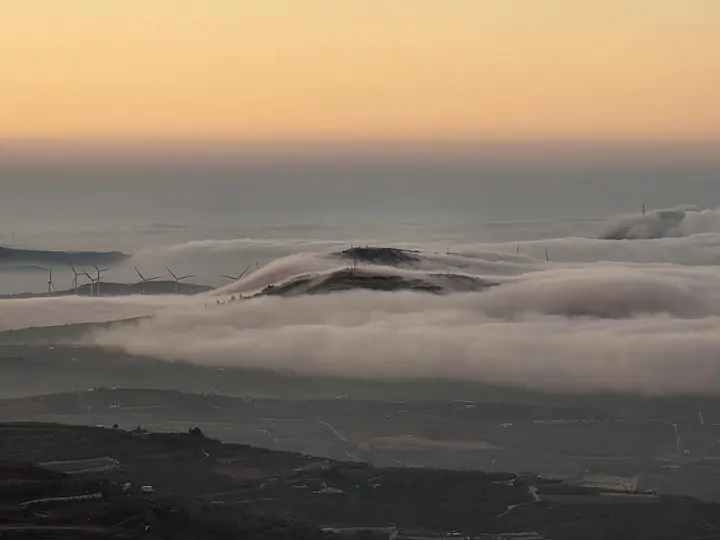
After Rosh Hashanah's awe-filled crowning and distance, after Yom Kippur's meticulous soul-searching, comes the time for reconciliation and closeness. Now the covering neither distances nor covers offenses. It is a comforting blanket in which we curl up, like a father forgiving his mischievous son, like a mother with a baby in her lap. Spread over us the blanket of Your peace. Clouds of Glory embodied in the sukkah's roof. Now we are one great family, sleeping curled up together in the divine living room, crowded close yet spaciously at ease. Your eyes close; you hear the autumn wind rustling the roof's decorations, and the warmth creeping up through your heart tells you: We have made peace. Good night.