
Two weeks ago, I began our climb to Tel Beitar with these words:
“Today we are going to touch the Jewish people's second-greatest disaster.”
The words had barely left my mouth when Meital stopped me:
“Why, why, why start straight away with disasters, first thing in the morning?!”
Her words immediately touched me.
Because Meital was right.
Tel Beitar, the site of the final massacre during the Bar Kokhba revolt, is indeed one of the most important places in our history. In terms of deaths, the Bar Kokhba revolt is indeed the second-greatest disaster after the Holocaust.
But Meital was right: telling history does not mean telling a collection of destructions and successes. Truly understanding history requires understanding life itself.
There is sometimes a tendency to tell Jewish history as an endless story of victories and defeats. Such a story focuses on wars, kings' politics, and pogroms in exile. It tells history from the rulers' perspective.
It can also miss the real story: what actually occupied people in everyday life.
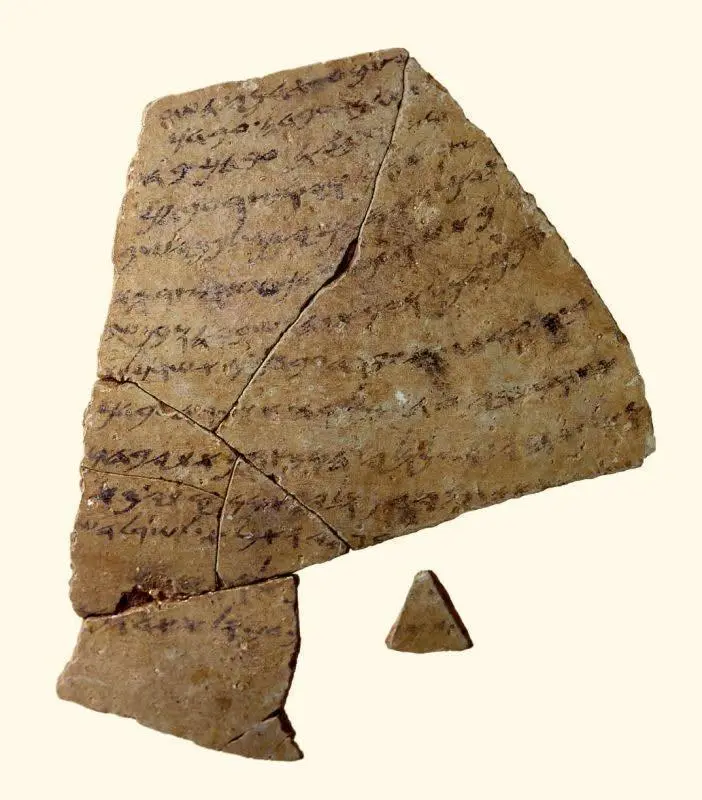
While the Book of Kings describes the intrigues of the kingdoms of Yisrael (Israel) and Yehuda (Judah), an ordinary farmer cares only whether enough rain will fall this year. While Josephus describes King Herod's plots, a woman in Tekoa worries desperately that her child cannot find his place among the village children. While Rav Saadia Gaon fiercely debates the Land of Israel's intercalation of the calendar, a woman in a small Babylonian village prepares incantation bowls so her beloved husband will succeed in business.
Immediately after Meital spoke, I changed how we approached our learning on the walk to the mound. First, understand how people lived here, what they grew and ate, the significance of the springs in Nahal Battir, when they rejoiced and when they grieved. Only afterward did we turn to the revolt itself.
Natan Alterman expressed this beautifully. When Tel Qasile beside the Yarkon was excavated in the 1950s, many finds emerged. Alterman, however, was especially moved by a small discovery at the side of a room:
A stove thousands of years old, still bearing black charcoal stains from cooking. What had cooked on that stove, and what its cook had experienced, interested him more than the grand story of empires arriving to conquer the mound...
He wrote:
“Let us look at the facts, and also at the background:
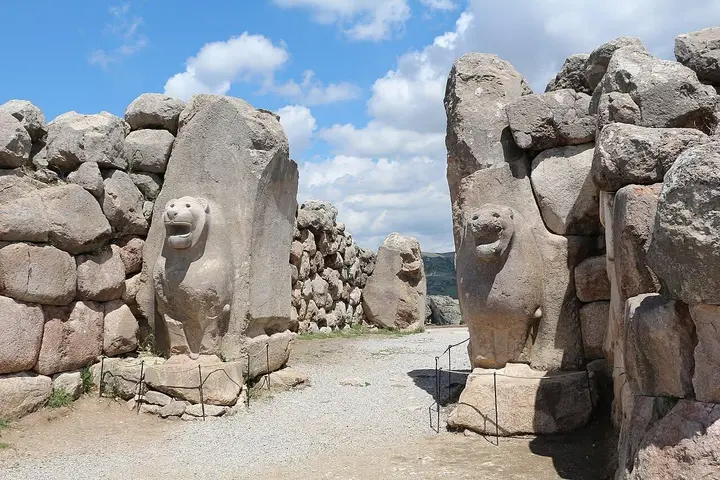
“Here is a gate. A courtyard. Rooms. A home.
“Where is the woman of the house?
“She stepped out for a moment
“in the eighth century BCE...
“She stepped out to borrow a handful of salt,
“or went to the mound, to the seller of perfumes,
“and meanwhile peoples passed, and armies of kings,
“and age-old kingdoms rose and fell...
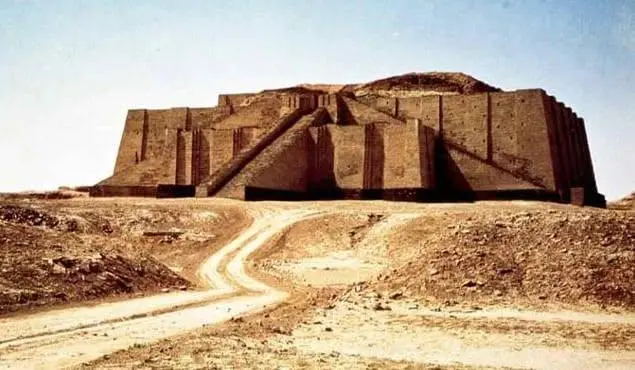
“Egypt's genius left pyramids behind;
“and here? A stove's remains, a scrap of smoke-dark wall.
“Yet upon these stones of the stove,
"something was cooked, after all, wasn't it?"
In the morning, as the sun rose over the mountains of Moav (Moab), I reminded myself again of Meital's cry. The real news is not politicians' chatter and tweets, but life's small and great loves.
One of my wonderful teachers over the years, Dr. Haggai Misgav, expressed this so very beautifully. A poem I need to repeat to myself every day:
And Now the News by Haggai Misgav
And now the news, and all of it matters:
A person found his way.
A young woman found her heart.
An abandoned cat found a home.
A bird found a nest.
One soul met another.
Good rain fell gently.
Many waters bear love onward
to its desired shore.
At the city's gates appeared
a white donkey.